Skip to content
Steve's Garage Doors
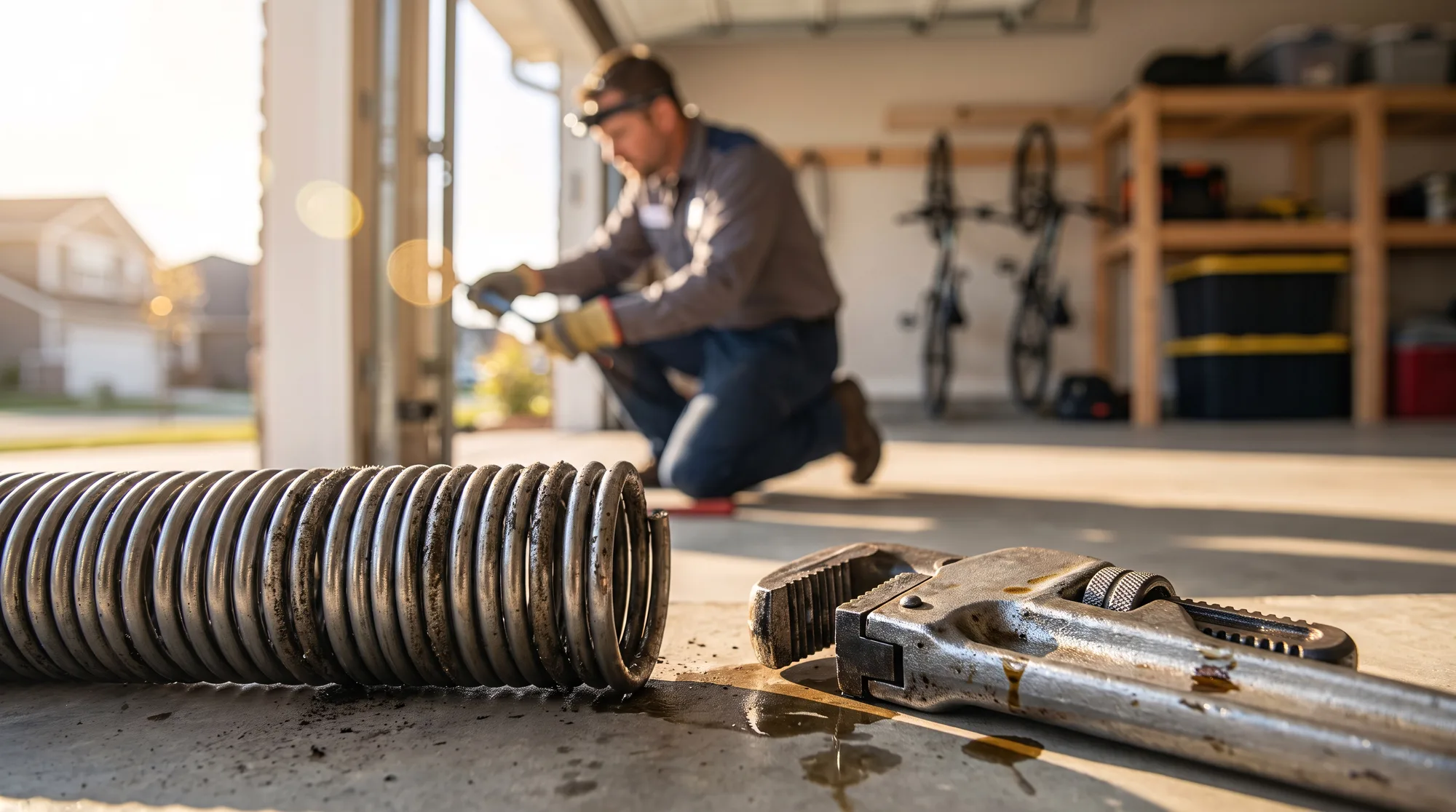
Broken garage door torsion spring and a pipe wrench lying on a garage floor while a technician works on the door in the background

Repairs & Service

Garage Door Repair

Broken springs, worn openers, doors off their tracks. We fix them.

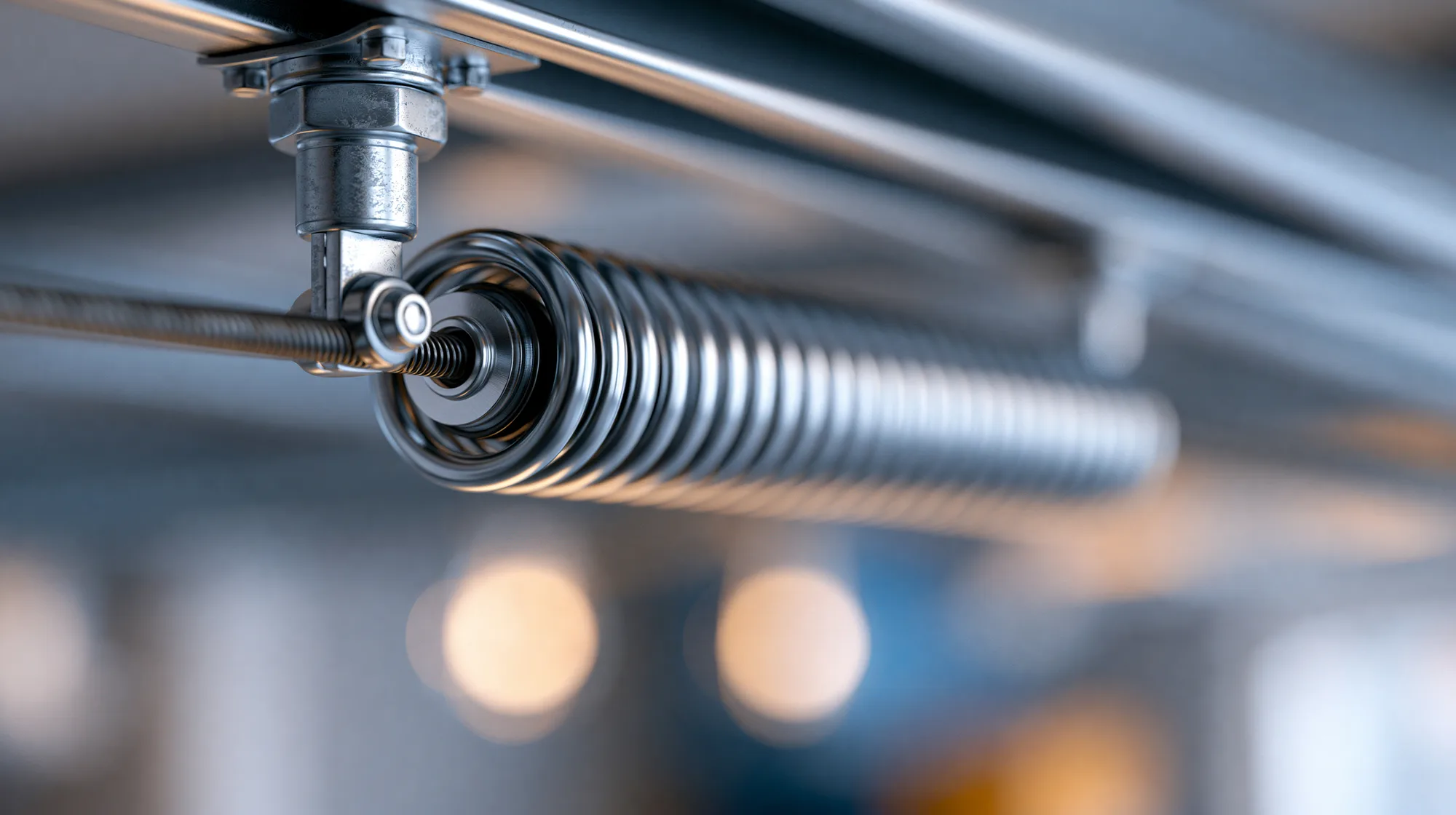
Close-up of a garage door torsion spring and its mounting bracket on the shaft above the door

Spring Replacement

Broken springs are the most common garage door repair we handle. A door that suddenly won't open, a loud bang from the garage, or a visible gap in a coiled spring almost always means a spring has failed. Springs are under enormous tension and are genuinely dangerous to replace without the right tools and training. It's the one repair we never recommend as a DIY project. We stock both torsion and extension springs sized to your door and replace them with matched pairs so both sides wear evenly. Standard springs are rated for about 10,000 cycles, which for most homes is roughly 7 to 12 years depending on use.

Torsion vs. extension springs, and how to tell which you have
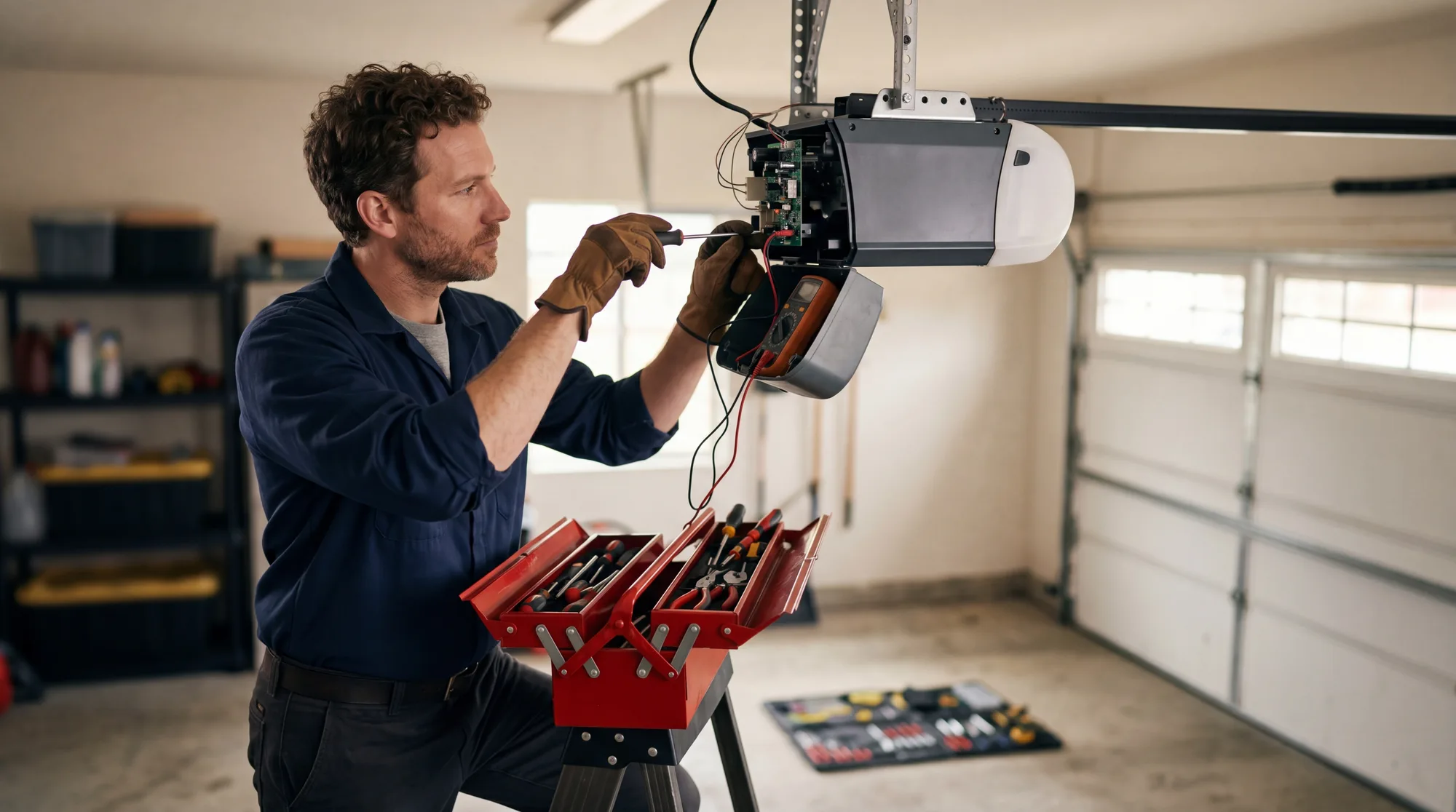
Technician testing the circuit board of an opened garage door opener with a multimeter, tool box open beside him

Garage Door Opener Repair

Openers usually fail in predictable ways: the motor hums but the door doesn't move, the safety sensors flash and the door won't close, or the wall button and remotes stop responding. Before we recommend a full replacement, we'll check the gear assembly, logic board, sensors, and remotes to see if a targeted repair will restore full function. We service all major opener brands and stock LiftMaster parts for common repairs. If your opener is more than 15 years old, we'll walk you through whether a rebuild or a new unit is the better long-term value.

Why won't my garage door open? A troubleshooting walkthrough

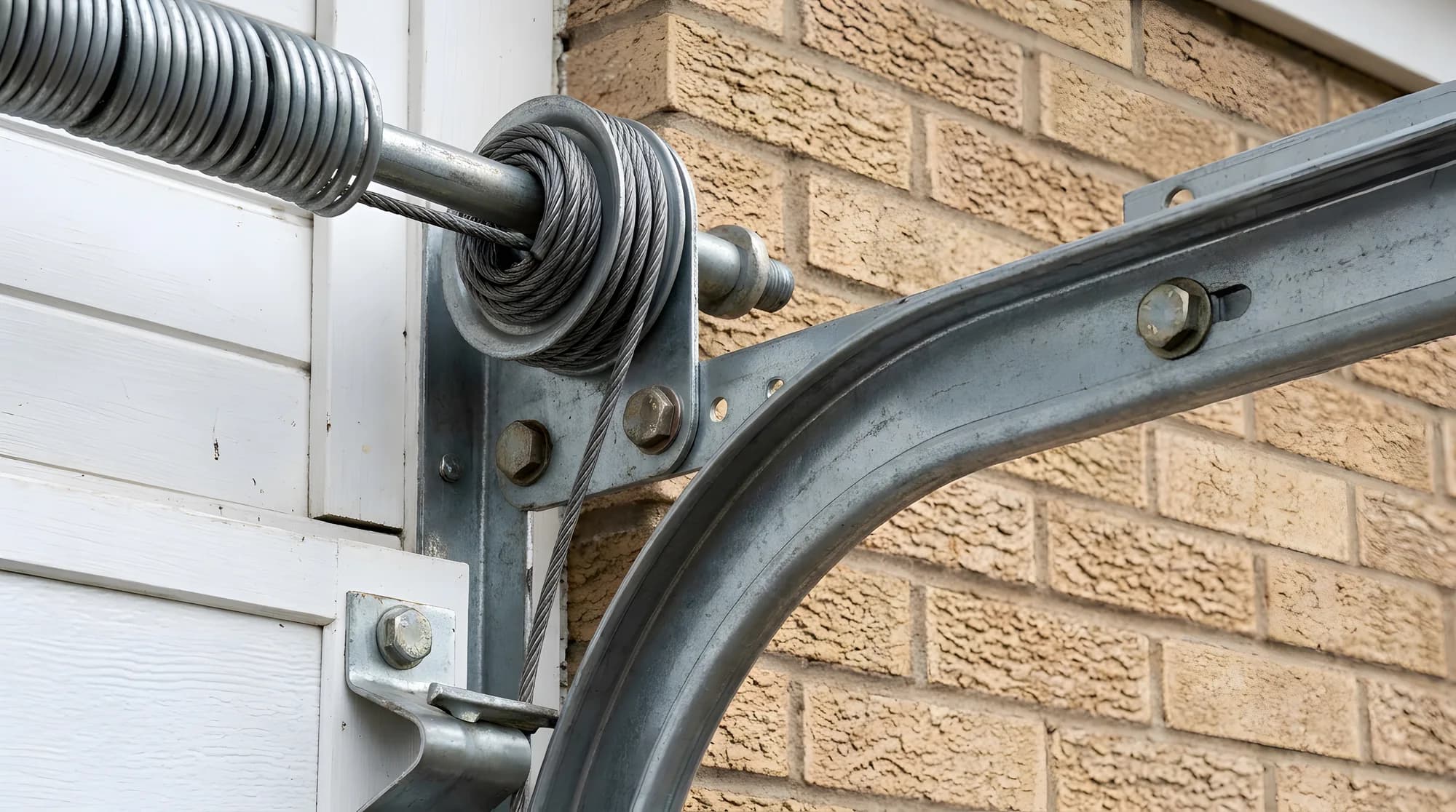
Garage door lift cable wound on its drum beside the torsion spring, mounting bracket, and curved track against a brick wall

Cable Replacement

The lift cables run alongside your door and carry the weight the springs are storing. When a cable frays or breaks, the door can hang crooked, get stuck in the tracks, or come off the drum entirely. Trying to force a door with a broken cable can bend panels or damage the opener, so it's worth calling us as soon as you notice the problem. We inspect both cables during every service. Cables usually wear at similar rates, so if one has failed, the other is often close behind and worth replacing at the same visit.

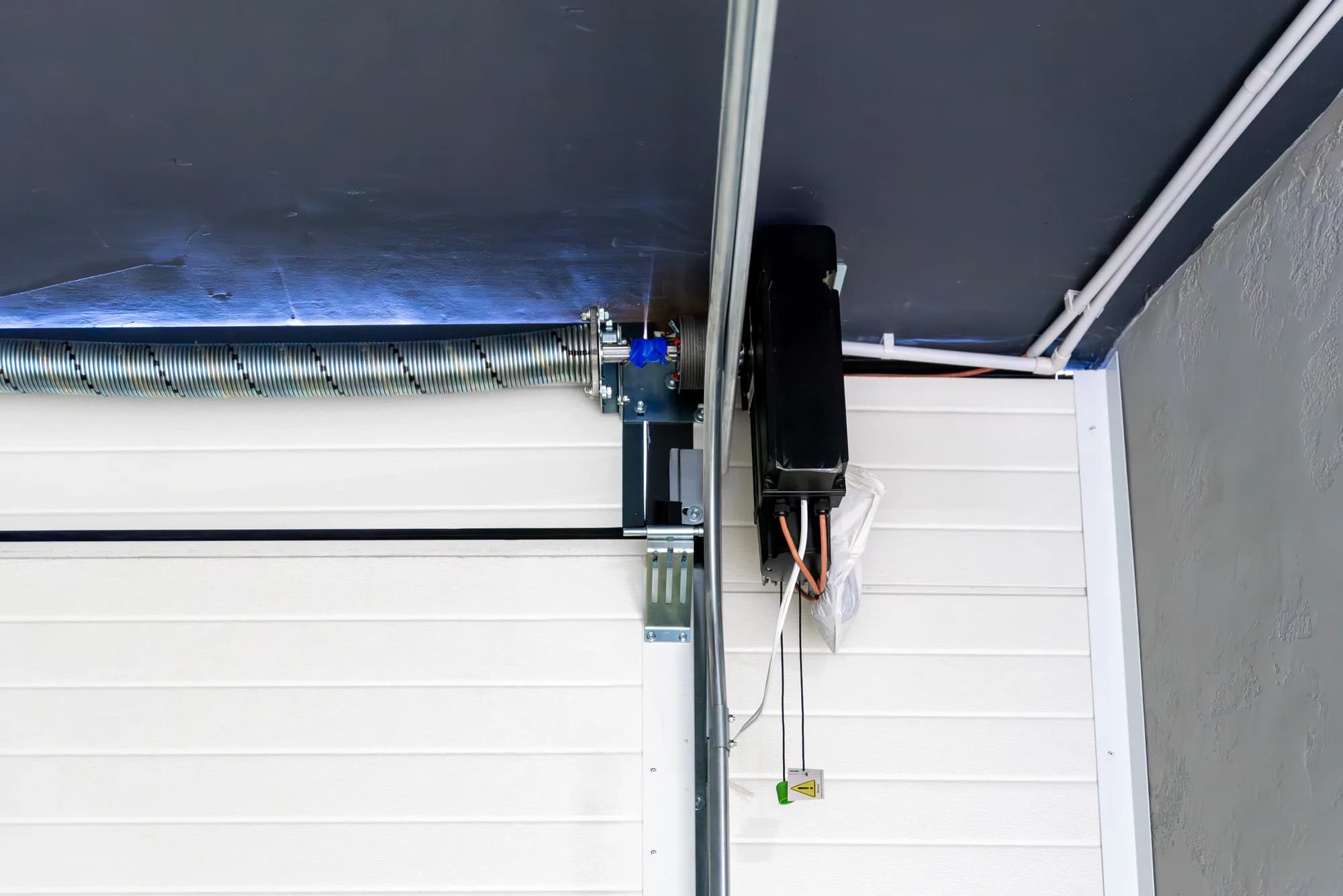
Vertical garage door track running down beside a white sectional door, with the torsion spring on its shaft and a side-mounted opener above

Off-Track Doors

A door that has jumped its tracks is usually the result of an impact (bumping the door with a vehicle is the most common cause), a broken cable, or worn rollers letting the door drift sideways. Do not try to operate the opener. Cycling an off-track door can bend panels beyond repair. Disconnect the opener if you can do so safely, and give us a call. We'll re-seat the door, check the tracks for damage, and replace any rollers or hardware that failed. If the panels are damaged we'll walk you through repair vs. replacement options.

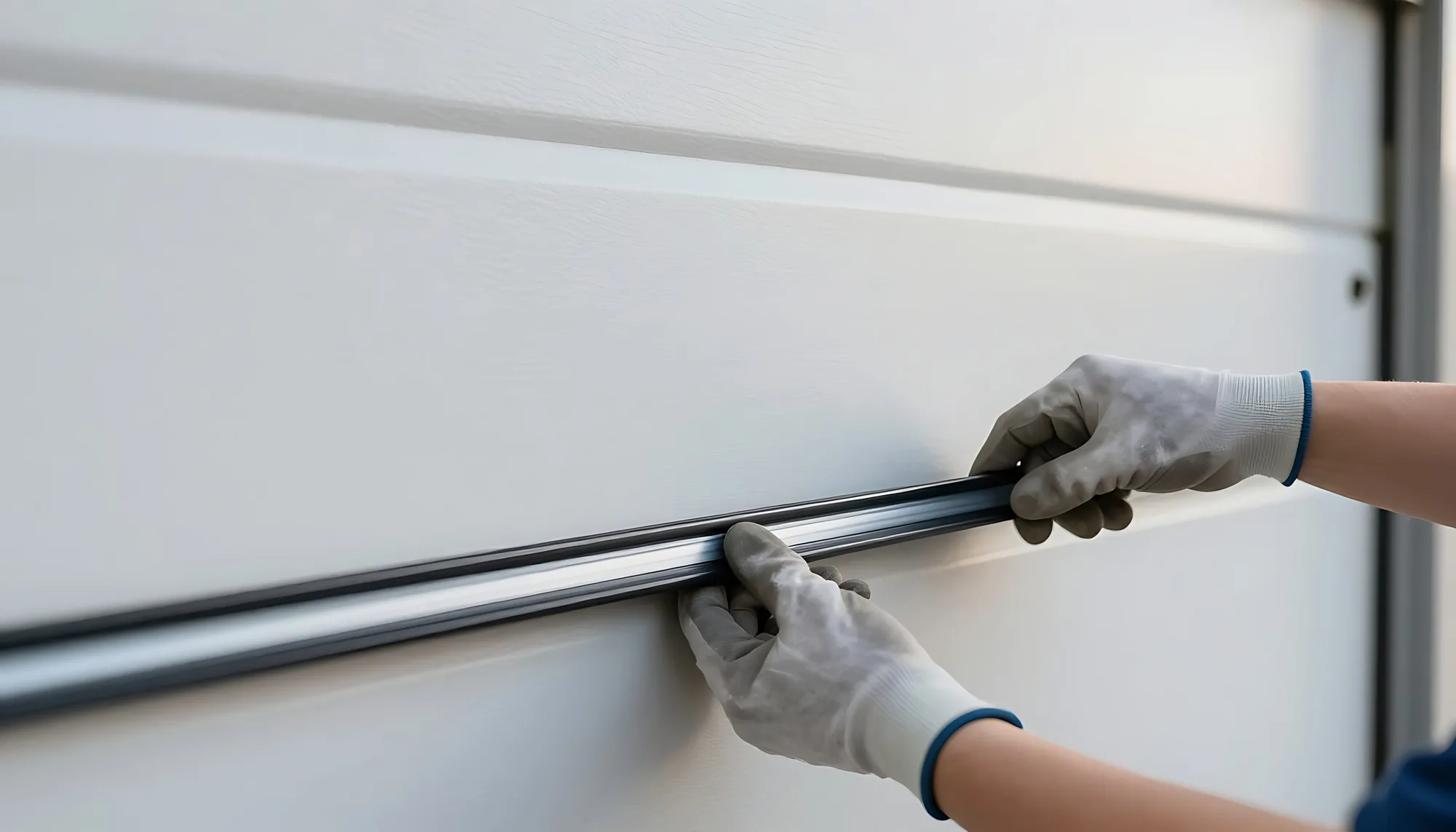
Gloved hands fitting a dark seal strip into the joint between two white garage door panels

Panel Replacement

Single-panel damage from vehicle bumps, hail, or basketball misfires doesn't always mean a new door. If the panel style and color are still being manufactured, we can often replace just the damaged section and get you back to a door that looks and works like new. We'll match the panel to your existing door where possible and be upfront when a full replacement is the smarter call, usually because the door is out of production or the damage extends into the frame or rollers.

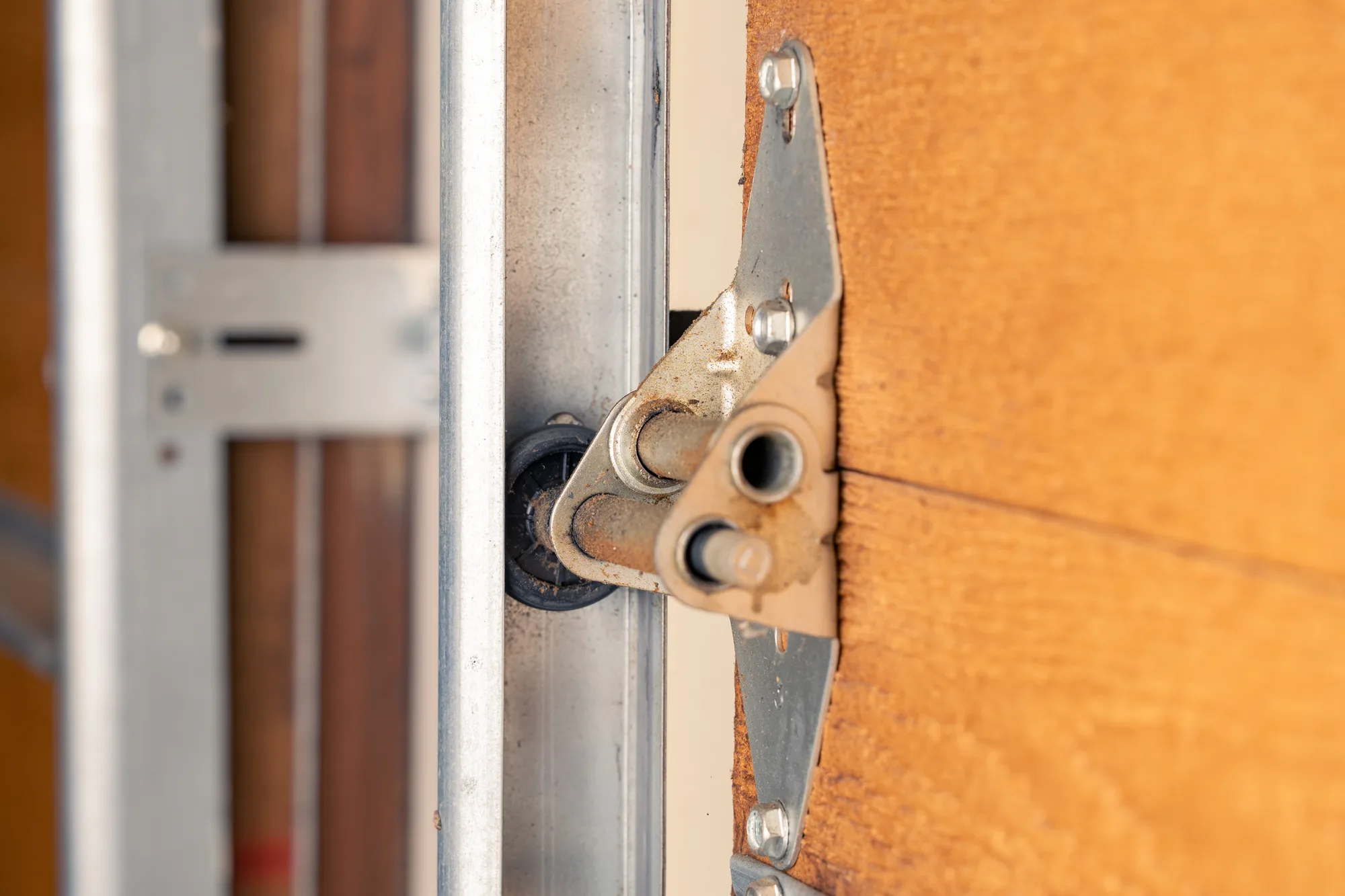
Close-up of a garage door roller and hinge bracket bolted to a wood-look panel, with the roller seated in the vertical track

Rollers & Hardware

Rollers, hinges, brackets, and bearings are the parts that make a door feel smooth and quiet. Grinding, popping, or a door that shakes as it moves usually points to worn rollers or dry bearings. We replace stamped-steel rollers with quieter nylon rollers on tune-ups when it makes sense, and we swap out any hinges or brackets that are cracked or bent. Fresh hardware makes a real difference in how a door sounds and how long the door and opener last.

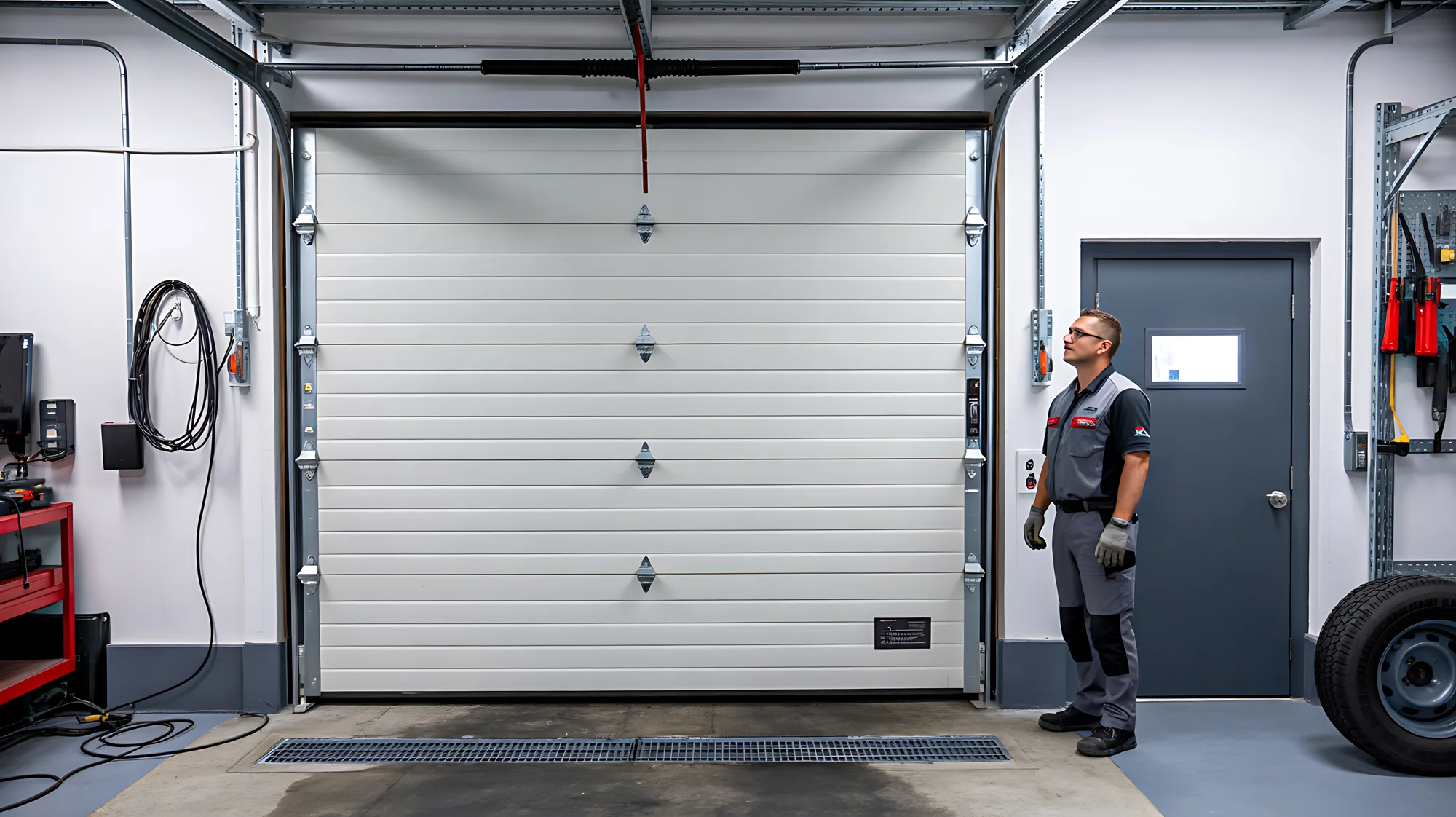
Technician in uniform standing beside a closed white sectional garage door, looking over the door and its hardware during an inspection

Preventive Tune-Ups

A yearly tune-up is the cheapest way to keep a garage door out of a real breakdown. During a tune-up we lubricate the hinges, springs, and bearings; balance the door on the springs; check the safety reversal and photo-eye sensors; tighten hardware; and flag any parts showing early wear. A tune-up catches the things that turn into breakdowns. Once a year is plenty for most doors.

Scheduled maintenance for shop, warehouse and farm building doors

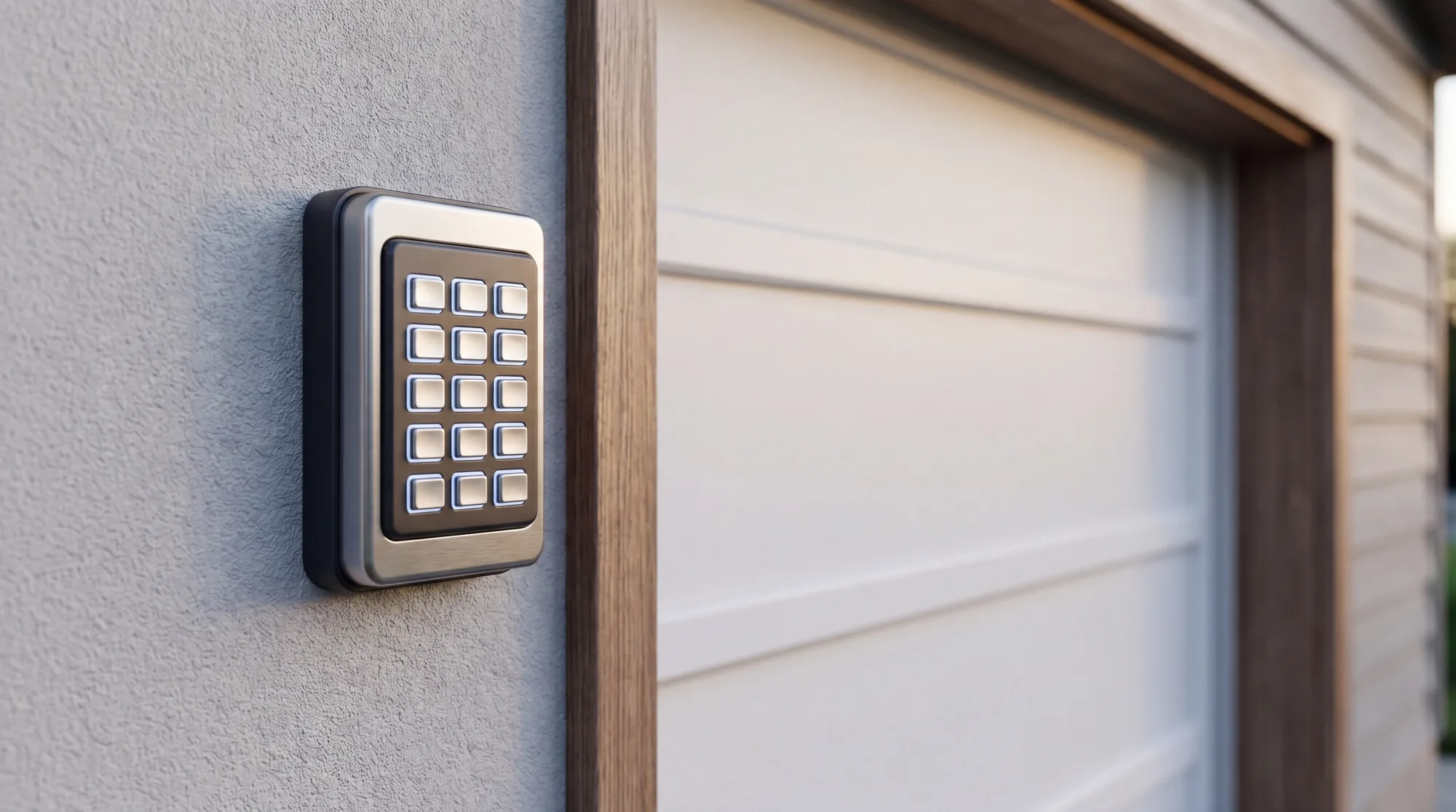
Backlit stainless keypad mounted on a stucco wall beside a white garage door

Keypads & Remotes

Lost the remote, forgot the keypad code, or replaced a car and can't get the built-in remote to program? We can add and pair new remotes, replace or reprogram keypads, and troubleshoot signal issues. We stock LiftMaster remotes and universal remotes that work with most openers. If your opener predates rolling-code security (mid-1990s and earlier), we'll talk through whether the security upgrade is worth doing now.

Request a Repair

Tell us what's going on and we'll take it from there. Same crew, one shop in Dublin, since 1994.

Frequently Asked Questions

A few things we get asked most often about garage door repair.

  • How much does a typical garage door repair cost?

    It depends on the door and the part. A spring for a light single-car door is not the same part as a high-cycle pair on a heavy insulated double, so the same repair can land in different places. We look at the door, give you the price, and start once you have approved it. The number you approve is the number on the invoice. See the full cost guide
  • How soon can you get out here?

    It depends on the day and what's already on the schedule. Call (478) 274-0307 during business hours, Mon-Fri 8:00 AM - 5:00 PM, and we'll tell you where you land on it.
  • Should I try to fix a broken spring myself?

    No. Garage door springs are under extreme tension and cause serious injuries every year. This is the one repair we consistently tell homeowners to leave to a professional.
  • Do you service all garage door brands?

    Yes. We repair doors from every major manufacturer, and openers from LiftMaster, Chamberlain, Genie, and Craftsman among others, whoever installed them.
  • How long does a garage door repair take?

    Most spring, cable, and roller jobs take one to two hours on site. Opener repairs vary with the diagnosis. We'll give you a time estimate once we've looked at the door.
  • Is it worth repairing an old garage door or should I replace it?

    If the door is structurally sound and the panels aren't damaged, a targeted repair is almost always cheaper than replacement. When several systems are failing at once, or the panels are past their service life, we'll walk you through the numbers so you can decide.

Ready to get started?

Call us or ask for a free estimate and we'll take it from there.